
Blog
MBBS in Romania for Indian students: the honest cost, and the questions to ask first
An EU medical degree with no entrance exam, at a fraction of a private Indian seat. Here is what that actually costs — and the licensing question you must settle before you apply.
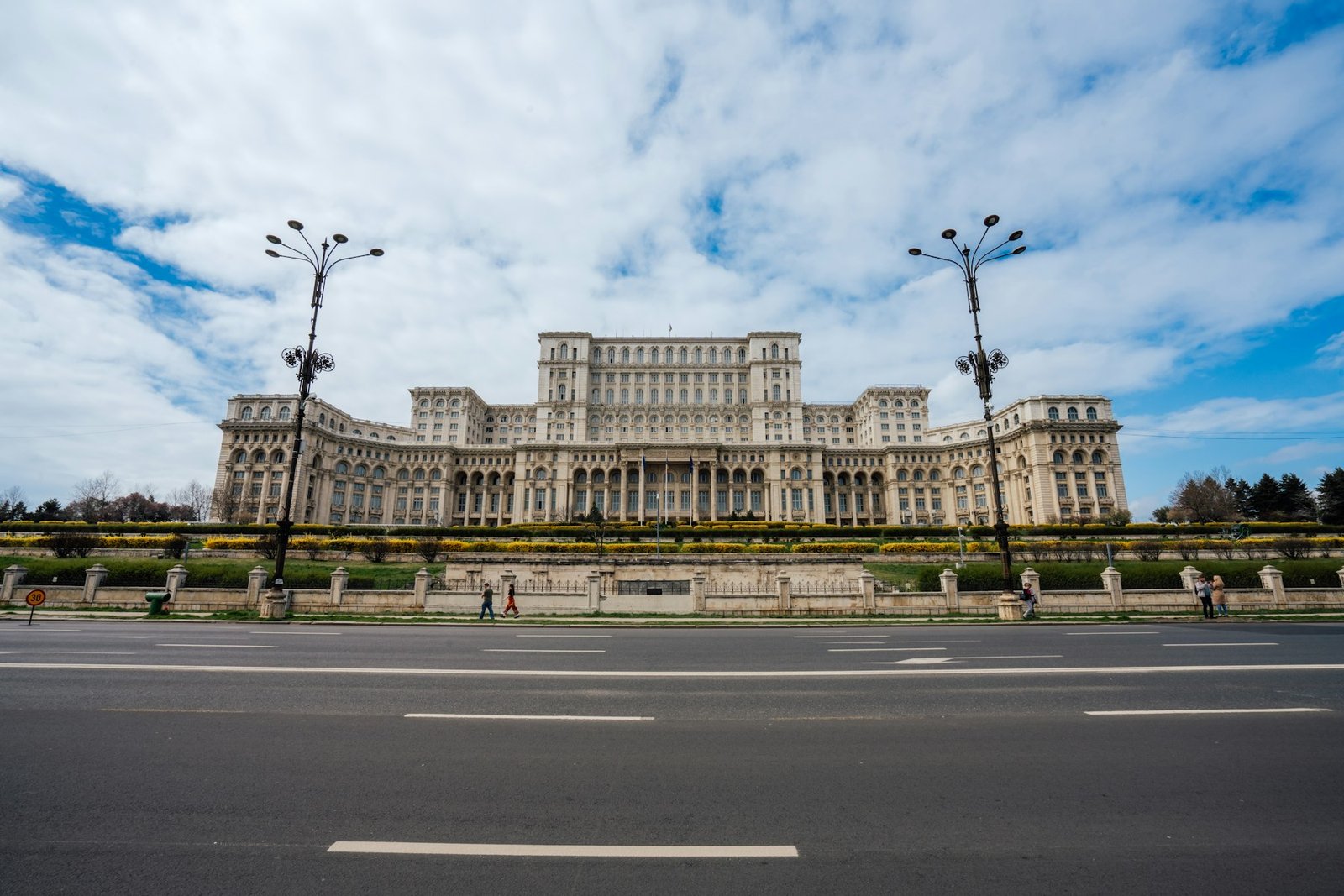
Every year thousands of Indian students who miss a government seat face the same arithmetic: a private MBBS seat in India can run to a sum most families cannot raise without selling property. Romania has become one of the most common alternatives — and for good reasons. It is also surrounded by more agent misinformation than almost any other destination we deal with.
This is the honest version: what it costs, what it does not, and the one question you must answer before you send anybody a deposit.
Why Romania, specifically
No entrance exam at most universities. Admission is generally on academic record. Compare that with Hungary, where a biology and chemistry entrance exam is standard, and you can see why Romania appeals to students who have already sat NEET and want a straightforward route.
Taught in English, and long established. These are not new experimental programmes. English-medium medicine has run in Romania for decades, and the cohorts are genuinely international.
It is an EU degree. Romania is an EU member state, so the qualification carries EU recognition — which matters for practising in Europe later.
The cost is the headline. Tuition and living together typically land well below a private Indian seat, and the gap over six years is substantial.
What a year actually costs
Tuition: commonly in the region of €5,000–€8,000 a year for English-medium medicine, varying by university.
Accommodation: €150–€350 a month. University dormitories sit at the bottom of that range; a shared flat in Cluj or Bucharest at the top.
Food and daily living: €150–€250 a month.
Health insurance: €30–€60 a month.
Flights home: budget two return trips a year — it is a real cost over a six-year degree and families routinely forget it.
A realistic all-in year
Most students land around €10,000–€14,000 for a full year including tuition. Over six years that is a serious sum — but set it against a private Indian seat and the comparison is usually not close. Indicative planning ranges, not quotes: confirm current fees directly with the university.
The question you must answer before anything else
Where do you intend to practise? Everything else follows from this, and it is the question agents are least likely to raise with you.
If the answer is India, your degree is only useful if it lets you sit the Indian licensing examination and complete registration. Requirements are set by the Indian regulator, they have changed in recent years, and they cover things like course duration, medium of instruction, clinical training and internship arrangements.
Verify the specific university against current Indian regulatory requirements — not “Romania” in general. Recognition attaches to institutions and to the rules in force when you graduate.
Ask about the internship explicitly. Where it is done, and whether it satisfies the requirements of the country you plan to register in. This is a frequent gap.
Do not accept an agent’s reassurance as evidence. Ask for the regulator’s own published criteria and check the university against them yourself. An agent earns a commission when you enrol; they do not carry the consequence if you cannot register six years later.
If you intend to stay in Europe, the calculation is different and generally simpler — an EU degree plus EU language skills opens routes across the bloc.
This is the single most expensive mistake available to you
Six years and a substantial sum, followed by discovering you cannot register where you intended to work. It is entirely avoidable with a few hours of checking against the regulator’s own published rules — before you apply, not after.
The practical realities nobody mentions
Learn Romanian — you will need it clinically. Teaching is in English, but from the clinical years you are speaking to Romanian patients. Universities teach the language alongside the degree precisely for this. Students who treat those classes as optional struggle later.
Winters are cold and long compared with anywhere in South Asia. It sounds trivial and it is the most common first-year complaint we hear.
Living costs are low, but so is the flexibility. A medical timetable leaves very little room for part-time work. Do not build a budget that assumes you will earn while studying.
The student communities are large and well established in Cluj-Napoca, Bucharest, Iași and Timișoara — which makes the first year meaningfully easier than arriving somewhere with no diaspora at all.
How Romania compares with the obvious alternatives
Bulgaria is usually cheaper still, but most medical faculties there set an entrance exam. Compare Bulgaria →
Hungary has the strongest research reputation of the three and a demanding science entrance exam to match. Compare Hungary →
Latvia costs more but offers a longer-established, more polished student experience. Compare Latvia →
Poland is the better choice if you might not do medicine at all — its breadth across engineering, IT and business is unmatched in the region. Compare Poland →
The honest summary
Romania is a genuinely good option for a specific student: someone set on medicine, who wants an EU degree without an entrance exam, who has checked the licensing position for where they intend to practise, and who is realistic about six cold winters a long way from home.
It is a poor option for someone who has been told by an agent that everything will be fine and has not checked. The difference between those two students is a few hours of research now.
Guidance only, not legal or admissions advice. We are not agents and take no commission from any university. Recognition rules and fees change — verify current requirements with the regulator and the university before making decisions. How we work →
Compare with
Other routes worth checking.
Want this checked against your own situation?
A focused 30-minute Country-Fit call, €25, credited in full toward any guidance package. We take no commission from any university — which is exactly why we can tell you when the answer is no.